Start with the work interface
- Dock or grade loading? Dock-high containers align with interior aisles; ground-level units serve exterior staging and facade work.
- Can the container sit below the task without interfering with lift swing or outrigger footprints? For facade scopes using /articulating-boom-lift-rental/ or /telescopic-boom-lift-rental/, leave clearance for rotation and set-back.
- Is the storage supporting indoor /electric-scissor-lift-rental/ work or rough site tasks tied to /rough-terrain-scissor-lift-rental/? Contents and access frequency change where the box belongs.
Surface and bearing in local conditions
The regional climate and silty clay loam create soft conditions during wet seasons. Concentrated corner loads can settle unevenly if placed on uncompacted soil. - Prefer compacted aggregate or slab. If using soil, document cribbing dimensions and check drainage so doors stay square. - Expect freeze–thaw to move unsupported pads. Plan container orientation to shed water away from doorways and active paths.
Delivery and retrieval geometry
- Verify approach route, overhead lines, and swing radius for tilt-bed or chassis delivery in constrained downtown sites.
- Measure gate width, curb cuts, and turning radii at industrial parks so trucks do not track mud into interior aisles.
- Keep clear corridors for forklifts and telehandlers; avoid placing containers where they shorten turning space for /forklift-rental/ or /telehandler-rental/ units.
Security and operations near active logistics
Indianapolis facilities run long shifts, with frequent trailer movements. Place containers where tractor paths, pedestrian routes, and lift charging areas remain clear. Lighting from /generators-light-towers-rental/ may be needed to mark corners at night; confirm sightlines so light does not blind drivers.
Sizing and layout notes
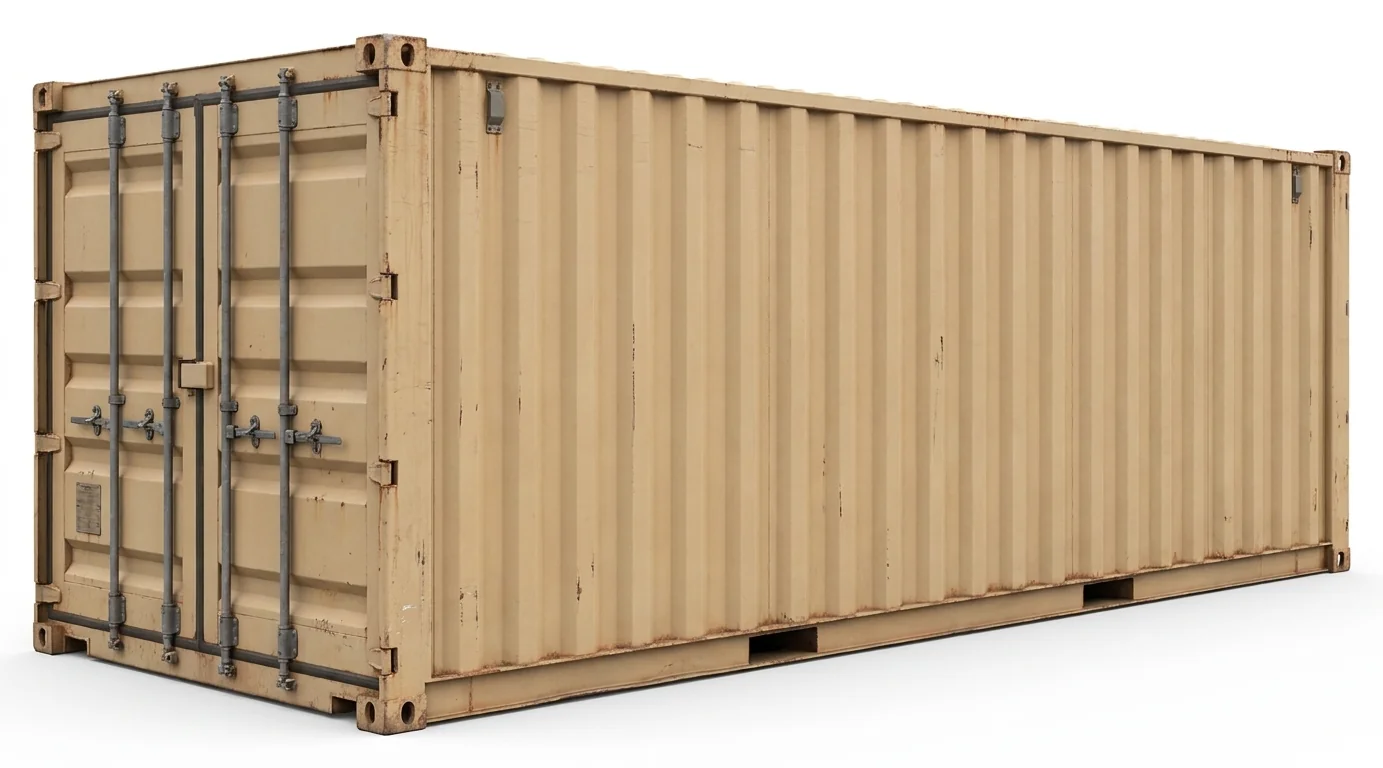
- Standard vs. high-cube changes door header height for tall materials used in interior buildouts.
- Single vs. multiple boxes: leave spacing for pallet turns and weather runoff.
Follow the selected unit’s instructions and site procedures. On busy industrial sites, traffic control and ground conditions ultimately govern container placement and access.