Define the controlled area by task and equipment
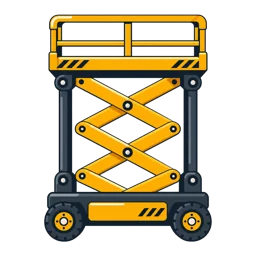
- Can barriers sit below the task without limiting machine approach or swing? For elevated work using /aerial-lift-rental/ or /boom-lift-rental/, outline exclusion zones sized for machine tailswing and reach envelopes.
- Interior projects may need narrow barricades that keep aisles open for /vertical-mast-lift-rental/ units while protecting pedestrian routes.
Ground and weather that affect stability
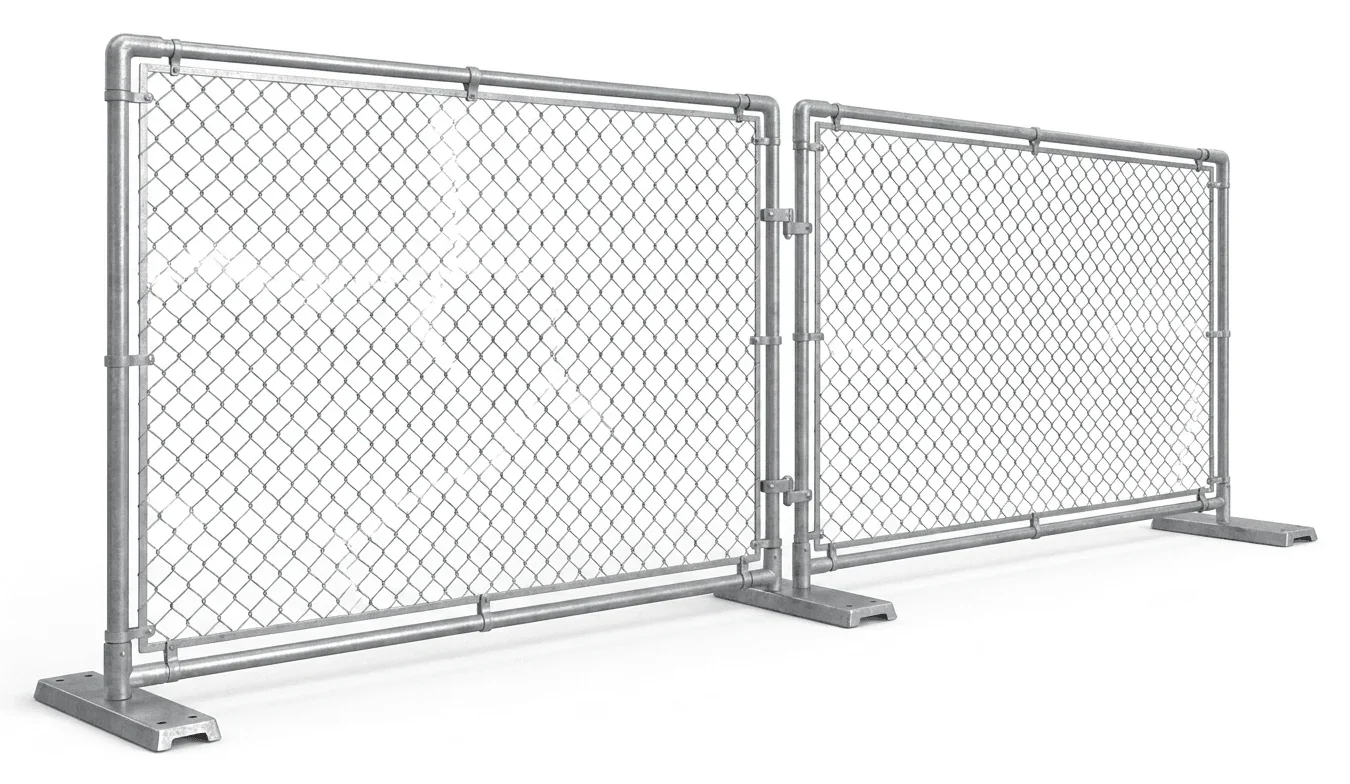
Silty clay loam across the region softens after rain and during thaw. Panel feet can sink, tilting fence lines and loosening couplers. - Evaluate bearing under bases and blocks; specify site-stability factors spacing with the expectation of seasonal soft spots. - In industrial corridors with long fetch, wind exposure increases. Plan returns, bracing, or weighted segments where gusts align with fence runs.
Access points and circulation
- Place gates where deliveries and lifts naturally approach. Avoid forcing /forklift-rental/ or /telehandler-rental/ traffic to backtrack across pedestrian flows.
- For facade work, set barricades to create a defined drop zone with clear sightlines to mast or boom paths.
Surface transitions and utilities
- Note curb lines, drains, and utility covers that prevent base placement or create trip edges.
- On interior slabs, check expansion joints and polished surfaces where freestanding barricades may slide without sufficient friction or site-stability factors.
Coordination with lighting and storage
Barriers often tie into /generators-light-towers-rental/ placements for visibility after dark and define pads for /storage-containers-rental/. Confirm that lighting angles do not cast harsh shadows that hide gate hardware or footings.
Follow the selected product’s instructions and site procedures. Wind, soil, and traffic patterns in Indianapolis determine final panel layout and site-stability planning approach.